Commercial Rubber Flooring
Commercial Rubber Flooring for Gyms, Weight Rooms & Facilities
This is the Pro Sports Floors commercial / facility gym flooring hub on rubberflooringrolls.com. Whether you are outfitting a box gym, hotel fitness center, school weight room, home garage gym, or high-use training floor, start here for rubber rolls and interlocking tiles built for barbells, machines, and daily traffic.
Home gym vs commercial pathway
- Home / garage gym: many owners start with interlocking rubber tiles (no glue) - Everlock, Fit Lock, or 3/4" heavy-duty - or thinner rolled rubber for a dedicated lift zone. 5/16" (8mm) and 3/8" are common DIY sweet spots.
- Commercial facility: prefer continuous 4-ft rolled rubber glue-downs in 3/8"-1/2", or heavy interlocking tiles for modular zones. Many East Coast rolls (and adhesive) originate in NC ZIP 27041.
- Mixed layouts: rubber under racks + indoor sports turf (live: ATX Pro 65) for sled / agility lanes.
Shop by format (live money products)
- Rolled Rubber Flooring - Gladiator 1/2", Dynamic 3/8", Brute 5/16", Tread Lite 1/4", plus confetti: 3/8" confetti, 5/16"-8mm confetti, 8mm confetti, 1/4" confetti.
- Interlocking Rubber Tiles - Everlock 1/2", Everlock 3/8", Fit Lock 2x2 3/8", 3/4" heavy-duty.
- Rubber Flooring Adhesive - moisture-cured urethane for glue-down rolls and turf (NC origin 27041).
- Training lanes: Sports Turf (ATX Pro 65 live), Fitness Turf, Batting Cage Turf.
Thickness chooser (rolls)
- Tread Lite 1/4" - cardio / lighter zones / budget coverage
- Brute 5/16" (8mm) - everyday gym floor; popular home-gym thickness for mixed lifting
- Dynamic 3/8" - free-weight & functional training (most popular commercial thickness)
- Gladiator 1/2" - heavy racks and drop zones (more subfloor protection)
Thicker rubber mainly improves impact cushioning and subfloor protection - it does not automatically mean "more durable" for light use. Match thickness to how hard you drop plates and how permanent the floor must be.
Rolls vs interlocking tiles (quick decision)
- Choose rolls for large open weight rooms, a more continuous look, and when you want fewer seams under lateral foot traffic. Plan on glue-down adhesive for most commercial installs.
- Choose interlocking tiles for DIY home gyms, irregular rooms, phased commercial build-outs, and easy single-tile replacement - no glue. See Interlocking Rubber Tiles.
- Mix both when racks sit on rubber tiles or rolls and sled/agility lanes run on sports turf.
Compare rubber gym flooring at a glance (live SKUs)
Rolls, interlocking tiles, and adhesive side by side - format, thickness, size, install method, and origin ZIP from each product's freight tags - so you can match a home gym or a commercial weight room to the right floor in one pass.
| Product | Format | Thickness | Size | Install | Origin ZIP | Typical fit |
|---|---|---|---|---|---|---|
| Tread Lite | Roll | 1/4" (6mm) | 4-ft wide roll | Glue-down | 27041 | Cardio and lighter zones |
| Brute | Roll | 5/16" (8mm) | 4-ft wide roll | Glue-down | 27041 | Everyday gym floor; popular home-gym pick |
| Dynamic | Roll | 3/8" (9mm) | 4-ft wide roll | Glue-down | 27041 | Free-weight and functional training (commercial sweet spot) |
| Gladiator | Roll | 1/2" (12mm) | 4-ft wide roll | Glue-down | 27041 | Heavy racks and drop zones |
| Confetti rolls (1/4", 5/16" (8mm), 3/8") | Roll | 1/4" to 3/8" | 4-ft wide roll | Glue-down | 27041 | Home and boutique gyms that want color fleck |
| Everlock / Everlock 1/2" | Interlocking tile | 3/8" (9mm) or 1/2" (12mm) | 3' x 3' | Floating, no glue | 53179 | Modular home and commercial zones; 1/2" for heavier training |
| Fit Lock | Interlocking tile | 3/8" (9mm) | 2' x 2' | Floating, no glue | 17601 | DIY home gyms and flexible layouts |
| Heavy Duty 3/4" | Interlocking tile | 3/4" (18mm) | 23" x 23" | Floating, no glue | 27041 | High-impact free-weight areas |
| Rubber Flooring Adhesive | Moisture-cured urethane | - | 4 gallon (350-400 sq ft coverage) | For glue-down rolls and turf | 27041 | Commercial roll installs |
Light home installs sometimes loose-lay thinner rolls - see Loose Lay vs Glue-Down. Turf is not in this table: ATX Pro 65 ships from origin 30721, not 27041.
Why Pro Sports Floors (vs look-alike roll names)
You may see Gladiator, Dynamic, Brute, and Tread Lite style names on other rubber flooring sites (including RF4U-style catalogs). At Pro Sports Floors we publish clear thickness and install paths, brand as Pro Sports Floors + rubberflooringrolls.com, and call out NC 27041 origin freight for East Coast rolls where tags support it - so you can compare specs and freight honestly without guessing which warehouse ships your order. ATX Pro 65 turf uses origin 30721, not 27041.
FAQ: Commercial rubber gym flooring
How thick should my rubber gym floor be? Home / light lifting often lands on 1/4"-5/16" (8mm); most commercial free-weight floors prefer 3/8"; heavy drop zones step up to 1/2" rolls or 3/4" interlocking tiles. Use the thickness chooser above and product pages - do not overbuy thickness for cardio-only zones.
Rolls or tiles for a commercial gym? Large open weight rooms often use glue-down rolls; modular or phased spaces (and most home gyms) often use interlocking tiles. Many facilities mix both. Rolls favor continuous coverage; tiles favor DIY and repairability.
Loose-lay vs glue-down? Interlocking tiles typically float (no glue). Rolled rubber for commercial traffic is almost always full-spread glue-down with moisture-cured urethane. Light home installs sometimes loose-lay thinner rolls - confirm for your thickness and traffic. See Adhesives / rubber flooring glue.
Do commercial installs need adhesive? Rolled rubber typically does. Interlocking tiles usually do not. Pair glue-down rolls with our rubber flooring adhesive (NC 27041).
Home gym vs commercial - same products? Yes. Pathways stay inside this hub plus rolled rubber and interlocking tiles - we do not split into separate home-gym / commercial-gym collections. Home buyers often start with Fit Lock or Everlock; facilities lean 3/8"-1/2" rolls.
East Coast freight / origin? Many rolls and adhesive ship with North Carolina origin (ZIP 27041) - ask for a freight quote for your destination. Turf freight may differ (ATX Pro 65 uses 30721). Everlock tiles often ship from 53179; Fit Lock from 17601 - check product tags.
Looking for turf lanes? Pair rubber under racks with indoor sports turf for sled and agility work. Fitness-turf draft SKUs stay unpublished - order live ATX Pro 65 when you need turf now.
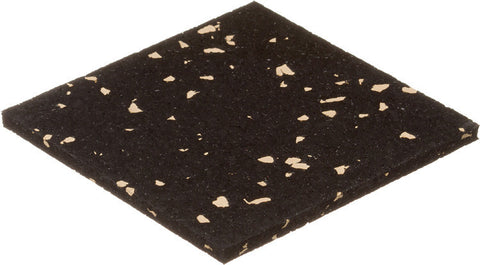
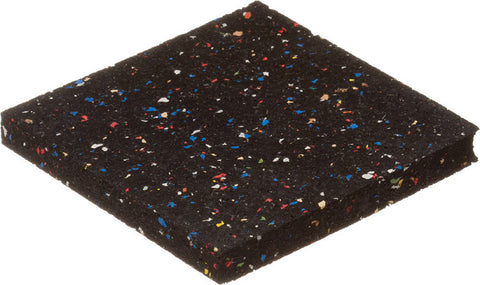
Black vs confetti fleck? Solid black rolls (Gladiator / Dynamic / Brute / Tread Lite) hide wear in high-traffic rooms; confetti fleck adds visual interest for home and boutique gyms - same thickness ladder, see confetti product links above.
How do I clean and care for a rubber gym floor? Sweep or vacuum grit first, then damp-mop with a pH-neutral cleaner made for rubber. Skip solvents, bleach, and wax, which can dry out or glaze the surface. Full routine, deep-clean steps, and new-floor odor tips: Rubber Floor Cleaning & Care Guide.
Will rubber flooring quiet an upstairs or apartment gym? Dense rubber softens impact and cuts some noise and vibration, but no floor makes dropped weights silent. For upper floors, step up in thickness (1/2" Gladiator rolls or 3/4" interlocking tiles) and use controlled lowering instead of full drops.
Can I install it myself? Interlocking tiles are the easiest DIY job. 4-ft rolls are heavy, so plan on two people to carry and unroll them, let them relax flat before trimming, and cut with a sharp utility knife against a straight edge. Size your order first with the roll and tile calculator guide.
Guides
Helpful reading: Loose Lay vs Glue-Down, Rolls vs Tiles, and East Coast gym flooring.
Related guide: Choosing between 1/4, 5/16, 3/8, and 1/2 inch? Read Rubber Gym Flooring Thickness Guide.
Related guide: Basement / below-grade home gyms - moisture, thickness, and install tips in Rubber Flooring for Basement Gym.
Related guide: Garage gyms on concrete - slab prep, thickness, and layout tips in Rubber Flooring for Garage Gym.
Related guide: Measure the room, size rolls by strip direction, count tiles by row, and add waste in How Much Rubber Flooring Do I Need?
Related guide: Stall mats vs gym flooring - weight, seams, odor, and cost trade-offs in Horse Stall Mats vs Rubber Gym Flooring.
Related guide: Rubber flooring vs foam mats - durability, odor, and compression set trade-offs for home gyms in Rubber Flooring vs Foam Mats for Home Gyms: Which Lasts?
Related guide: New rubber gym floors usually have a rubber odor at first. See what causes it, how to air a new floor out, and which cleaners to skip in Does Rubber Gym Flooring Smell? How to Get Rid of Rubber Odor.