Rolled Rubber Flooring
Rolled Rubber Flooring for Home Gyms and Commercial Weight Rooms
Pro Sports Floors supplies durable rolled rubber flooring through rubberflooringrolls.com-the go-to format for glue-down gym floors, weight rooms, CrossFit boxes, physical therapy clinics, and locker rooms. Our 4-foot rolls come in 1/4", 5/16" (8mm), 3/8", and 1/2" thicknesses, with many East Coast rolls originating in North Carolina (ZIP 27041) for faster regional freight.
Who rolled rubber is for
- Home gyms: cover a garage bay or basement lift zone with a continuous surface and fewer seams than tiles-especially useful if you do lateral movements that can shift interlocking tiles.
- Commercial gyms & facilities: continuous glue-down surfaces for free weights, racks, and high-traffic training floors.
- CrossFit / PT / locker rooms: dense recycled rubber that stands up to barbells, machines, and daily cleaning.
Thickness & format guide
- Tread Lite 1/4" - lighter-duty areas, cardio zones, and budget commercial coverage.
- Brute 5/16" (8mm) - balanced gym-floor thickness; a frequent home-gym pick for mixed lifting.
- Dynamic 3/8" - popular mid-weight roll for free-weight and functional training floors (commercial sweet spot).
- Gladiator 1/2" - thicker protection under heavy racks and drop zones.
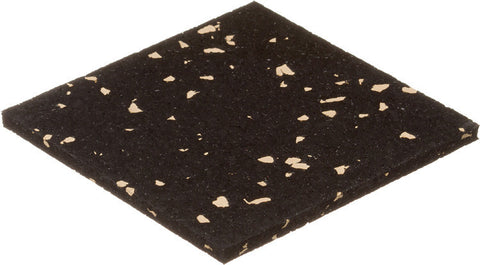
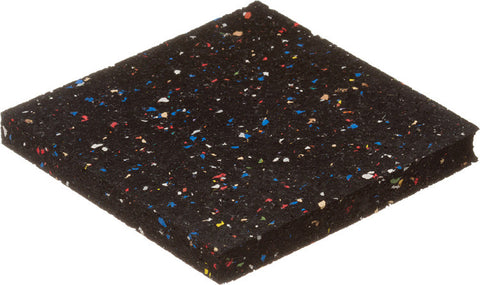
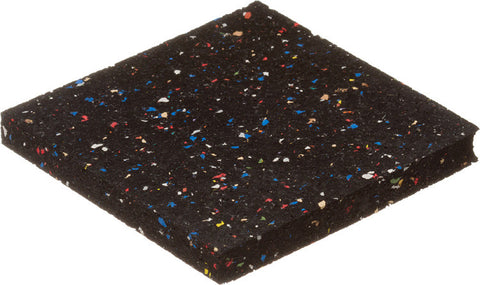
- Prefer color fleck? See confetti rolls: 1/4" confetti, 3/8" confetti, 8mm / 5/16" confetti, and 5/16"-8mm confetti.
Thickness tip: thicker rolls improve subfloor and impact protection under dropped weights; they also cost more and weigh more to freight. Match thickness to use-do not default to 1/2" for cardio-only rooms.
Rolls by use
Not sure which roll fits your room? Start with how the space is used. Every Pro Sports Floors roll is the same 4-ft width, so you can mix thicknesses by zone in one order on rubberflooringrolls.com.
- Garage or basement home gym (mixed lifting): Brute 5/16" (8mm) or a color-fleck 8mm confetti roll; step up to Gladiator 1/2" under a rack or deadlift spot.
- Commercial free-weight floors and weight rooms: Dynamic 3/8" as the everyday field, glued down with rubber flooring adhesive.
- Racks, platforms, drop zones, and CrossFit-style boxes: Gladiator 1/2" for more underfoot protection; for modular drop zones add 3/4" heavy-duty interlocking tiles.
- Cardio rows, therapy rooms, and walkways: Tread Lite 1/4" or 1/4" confetti - lighter-duty coverage that is also lighter to freight.
- Locker rooms and multi-use floors: Dynamic 3/8" in solid black, or 3/8" confetti when you want a color fleck.
Roll lineup at a glance
Every roll below is 4 ft wide, sold by Pro Sports Floors on rubberflooringrolls.com, and tagged with North Carolina origin ZIP 27041 for freight quotes.
| Roll | Thickness | Colors | Origin ZIP | Typical fit |
|---|---|---|---|---|
| Tread Lite | 1/4" (6mm) | Solid black or 10% color blends | 27041 | Cardio zones, lighter-duty and budget coverage |
| Brute | 5/16" (8mm) | Solid black or 10% color blends | 27041 | Balanced thickness; frequent home-gym pick |
| Dynamic | 3/8" (9mm) | Solid black or 10% color blends | 27041 | Free-weight and functional floors (commercial sweet spot) |
| Gladiator | 1/2" (12mm) | Solid black or 10% color blends | 27041 | Heavy racks and drop zones |
| Confetti 1/4" | 1/4" (6mm) | Confetti color fleck | 27041 | Lighter-duty rooms with a color fleck look |
| Confetti 5/16" / Confetti 8mm | 5/16" (8mm) | Confetti color fleck | 27041 | Home and boutique gyms, mixed lifting |
| Confetti 3/8" | 3/8" (9mm) | Confetti color fleck | 27041 | Free-weight floors with a color fleck look |
Gluing down? Add rubber flooring adhesive (4 gallon, 350-400 sq ft coverage, also NC 27041). Prefer no glue? Compare interlocking tiles.
Install methods (chooser)
- Full-spread adhesive (most commercial): use moisture-cured urethane rubber flooring adhesive for stable seams under heavy traffic.
- Home / light-duty loose-lay: some residential installs loose-lay or tape seams on thinner rolls-confirm for your thickness and traffic; commercial weight rooms almost always glue down. Taping rolls to the slab is not a manufacturer-recommended or warrantable method - see the install summary below.
- Prefer no glue? Switch to interlocking rubber tiles (Everlock, Fit Lock, 3/4" heavy-duty).
Installing rolls (4-step summary)
Full glue-down is the manufacturer-recommended way to install rolled rubber. Here is the short version; tools, cutting, and seam tips are in the full walkthrough, How to Install Rolled Rubber Flooring. Before install day, run the glue-down prep checklist on the Adhesives hub.
- Inspect the delivery, then prep the slab. Check the rolls against the packing slip and write any freight damage on the bill of lading (take photos) before you unroll anything. The subfloor should be clean, dry, and smooth, with no dips or humps over about 1/8". New concrete needs 45-60 days to cure, a moisture vapor reading under 3 lb per 1,000 sq ft in 24 hours, and a surface pH of 9 or lower.
- Acclimate and curl down. Lay the rolls out in the room for 12-24 hours - they can grow in length as they relax - and flip any roll whose edge wants to lift so the curl faces the floor.
- Dry-fit every strip. Trim to walls, pipes, and posts before the adhesive pail is opened. A seam that is not flat and tight when dry will not improve once glued, so fix cuts and height differences first.
- Glue down and roll. At 50 F or warmer, spread moisture-cured urethane rubber flooring adhesive with a 3/32" V-notch trowel. Glue a center anchor roll first and give it 3-4 hours before working out to both sides, hold seams with blue painter's tape only while the adhesive cures, and go over each strip with a 100 lb floor roller.
About tape-down: double-sided carpet tape is not a manufacturer-recommended install. It cannot keep moisture coming up through the slab from buckling the rubber, it tends to let go when equipment is dragged across the floor, and wrinkling or shifting of taped rolls is not covered under warranty. Want a floor with no glue at all? Choose interlocking tiles.
Rolls vs tiles (when rolls win)
- Large open rectangles and facility weight rooms-faster continuous coverage in 4-ft widths
- Lateral foot traffic (agility / conditioning next to racks) where floating tiles can creep
- A more seamless look with fewer visible joints than a tile grid
Tiles still win for DIY carry-in, irregular rooms, and single-tile replacement-compare Interlocking Rubber Tiles.
Why buy from Pro Sports Floors (RF4U-style overlap, our freight truth)
We sell the familiar Gladiator, Dynamic, Brute, and Tread Lite roll names with clear specs, sibling product links, and East Coast freight context from NC 27041-so you can compare apples-to-apples against other rubber flooring sites (FlooringInc / Greatmats / American Floor Mats / RF4U-style catalogs) and order with confidence on rubberflooringrolls.com. We brand as Pro Sports Floors, not a generic marketplace, and we keep internal links to tiles, adhesives, and turf so your full gym layout is planned in one place.
- 4-ft commercial rolls sized for gym layouts
- Thickness ladder from 1/4" through 1/2" + confetti fleck options
- Internal guides to tiles, adhesives, and the full rubber flooring hub
- Honest origin callouts: rolls/adhesive often 27041; ATX Pro 65 turf uses 30721
Need interlocking instead of glue-down?
If you want a floating floor with no adhesive, shop Interlocking Rubber Tiles - Everlock 1/2", Everlock 3/8", Fit Lock 3/8", 3/4" heavy-duty. For the full commercial hub (rolls + tiles), visit Commercial Rubber Flooring. Pair glue-down installs with Rubber Flooring Adhesive. Featured picks: Featured Gym Flooring.
FAQ: Installing rolled rubber
How do I choose thickness? Tread Lite (1/4") for lighter / cardio zones; Brute 5/16" (8mm) for everyday home and light commercial gyms; Dynamic 3/8" for most free-weight rooms; Gladiator 1/2" when you want maximum underfoot protection at drop zones.
Do I need glue? Yes for most commercial installs-rolled rubber is typically a full-spread glue-down. Use a compatible moisture-cured urethane adhesive and follow coverage rates for your thickness. See rubber flooring adhesive.
Can I loose-lay rolled rubber at home? Some thinner residential installs are loose-laid or seam-taped, but seams can creep under heavy traffic. If you want a guaranteed no-glue floor, choose interlocking tiles instead. Taped rolls are not a manufacturer-recommended install and shifting is not covered under warranty; full glue-down is the recommended method.
How does freight work from NC 27041? Many of our East Coast rolls ship from North Carolina origin ZIP 27041. Final freight depends on roll quantity, destination, and carrier-request a quote at checkout or contact us. Do not assume turf freight matches (ATX Pro 65 is 30721).
Gladiator vs Dynamic vs Brute vs Tread Lite? Choose by thickness and use: Tread Lite (1/4") for lighter zones, Brute (5/16") and Dynamic (3/8") for standard gyms, Gladiator (1/2") when you want more underfoot protection. Same Pro Sports Floors brand and rubberflooringrolls.com checkout regardless of the familiar roll name.
Home gym or commercial? The same roll formats work for both-home gyms often start with 1/4"-3/8"; commercial weight rooms commonly specify 3/8"-1/2". Pathways stay inside this collection and the rubber flooring hub-no separate home/commercial storefronts.
Black or confetti? Solid black hides scuffs in high-traffic commercial rooms; confetti fleck adds color for home and boutique spaces. Thickness options mirror the black ladder-see confetti product links above.
What about cleaning / odor? New recycled rubber can have a temporary "new rubber" smell that fades with ventilation. Day-to-day: sweep, then mop with a mild / neutral cleaner suited to rubber-avoid harsh solvents unless your product sheet allows them. Step-by-step weekly and deep cleaning: Rubber Floor Cleaning & Care Guide.
Do rubber rolls have seams? Yes. Our rolls are 4 ft wide, so wider rooms need multiple strips side by side - those joints are seams. A full-spread glue-down with rubber flooring adhesive keeps edges tight under traffic. Prefer fewer visible joints in a smaller DIY room? Compare interlocking tiles, which float without glue.
Can I glue down rolls myself in a home gym? Yes, if you take it slow. Let the rolls acclimate in the room for 12 to 24 hours with any curl facing down, dry-fit every strip and trim seams before you open the adhesive, then spread moisture-cured urethane with a 3/32" V-notch trowel and roll the floor with a 100 lb roller. Keep the room at 50 F or warmer. Full list: Glue-down prep checklist.
What should a commercial weight room spec include? Plan for a full glue-down over a slab that has cured 45 to 60 days, is flat to within 1/8", tests under 3 lb of vapor emission per 1,000 sq ft in 24 hours, and reads pH 9 or lower. Do a small bond test before the full install. Taped seams are not a manufacturer-recommended method and are not warrantable, so leave them out of a facility spec. Most facilities pick Dynamic 3/8" or Gladiator 1/2" rolls, with many of our rolls shipping from NC 27041.
Related guides
- How Much Does Rubber Gym Flooring Cost? Price Per Square Foot Guide - Rolled rubber cost per square foot by thickness, a worked room example, and hidden costs like waste, glue-down adhesive, and freight
- Best Flooring for a CrossFit Gym: Rubber Rolls, Tiles & Drop Zones - 3/8 and 1/2 inch glued-down rolls for the open training floor of a CrossFit box, with a sample layout
- How to Install Rolled Rubber Flooring: Cutting, Seams & Glue-Down Guide - delivery checks, slab prep, 12-24 hour acclimation, dry-fit, and full glue-down, with seams kept tight by a small ~1/4" overlap worked back and blue painter's tape while the adhesive cures
- Loose Lay vs Glue-Down Rubber Gym Flooring - when each method fits and why heavy-traffic roll floors get glued
- Rubber Gym Flooring Thickness Guide - choosing between 1/4, 5/16, 3/8, and 1/2 inch
- How Much Rubber Flooring Do I Need? Roll & Tile Calculator Guide - measure the room, size rolls by strip direction, count tiles by row, and add waste
- Rubber Flooring for Garage Gym - slab prep, thickness, and layout tips for garage gyms on concrete
- Rubber Flooring for Basement Gym - moisture, thickness, and install tips for below-grade home gyms
- Rolls vs Interlocking Tiles - when continuous rolls beat a tile grid, and when they do not
- Rubber Flooring vs Foam Mats for Home Gyms: Which Lasts? - why rolled rubber outlasts foam under racks and dropped weights
- Horse Stall Mats vs Rubber Gym Flooring: Which Is Better? - stall mats vs gym flooring on weight, seams, odor, and cost
- Does Rubber Gym Flooring Smell? How to Get Rid of Rubber Odor - unroll new rolls face up in a ventilated space so the rubber smell fades faster
- East Coast Gym Flooring (NC 27041 Freight) - roll picks and NC 27041 freight notes for East Coast gyms